The fluidity of realities physical to virtual is matched by the newly understood fluidity of the mind. The mind/self is now distributed (prosthetically extended) across technological platforms, its new orientation turned away from natural experience preferentially toward synthetic experience. New media art, synthetic experience aestheticized, is poised to delineate our experience of synthetic/virtual worlds.
fMRI and PET scans studies show the fluidity of real time physiological brain activity. Secondary/tertiary higher cortical areas dynamically process primary sensory experiences, creating the capacity for intermodal abstraction and metaphor. These areas, interconnected with mirror neuron systems, form the basis of empathy and the meaningful experience of art. Memories are reconfigured with each memory. Brain activation patterns shift in characteristic ways with the transition from novice to expert. Neurological research shows our brains, evolved to prefer certain natural patterns (ethological releasers) remain fluid both in the individual present and on an evolutionary scale.
New media art, synthetic experience aestheticized, is rich enough to stimulate intermodal sensory cortical processing systems, mirror neuron systems, and engage the mind at organizational levels from novice to expert. Two major poles of new media art, the entropic and crystalline poles, two ways of interacting with aesthetically relevant systems (in inverse proportions), are proposed and illustrated by specific examples.
The entropic pole, related to historical movements aestheticizing chance and realtime interaction (surrealism, dada, fluxus, installation art) is characterized by values created by coding, connectivity and speed of the internet, multisensory fluidity of virtual form, and the recursive processing power of computers used to create evolutionary/ interactive models.
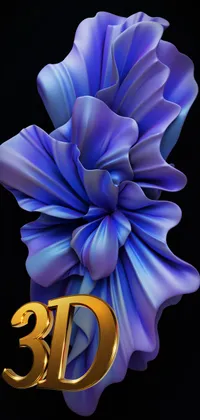
The crystalline pole is characterized by relative stability, distillation to light and open essence, and modification solely by creator. It is multisensory and the locus of interactivity is internal to the viewer's mind; the experience of depth is primary over the experience of expanse.